
Ep 81: From Pain to Purpose: Inside the Kratom Industry with MitWellness Founder Todd Underwood
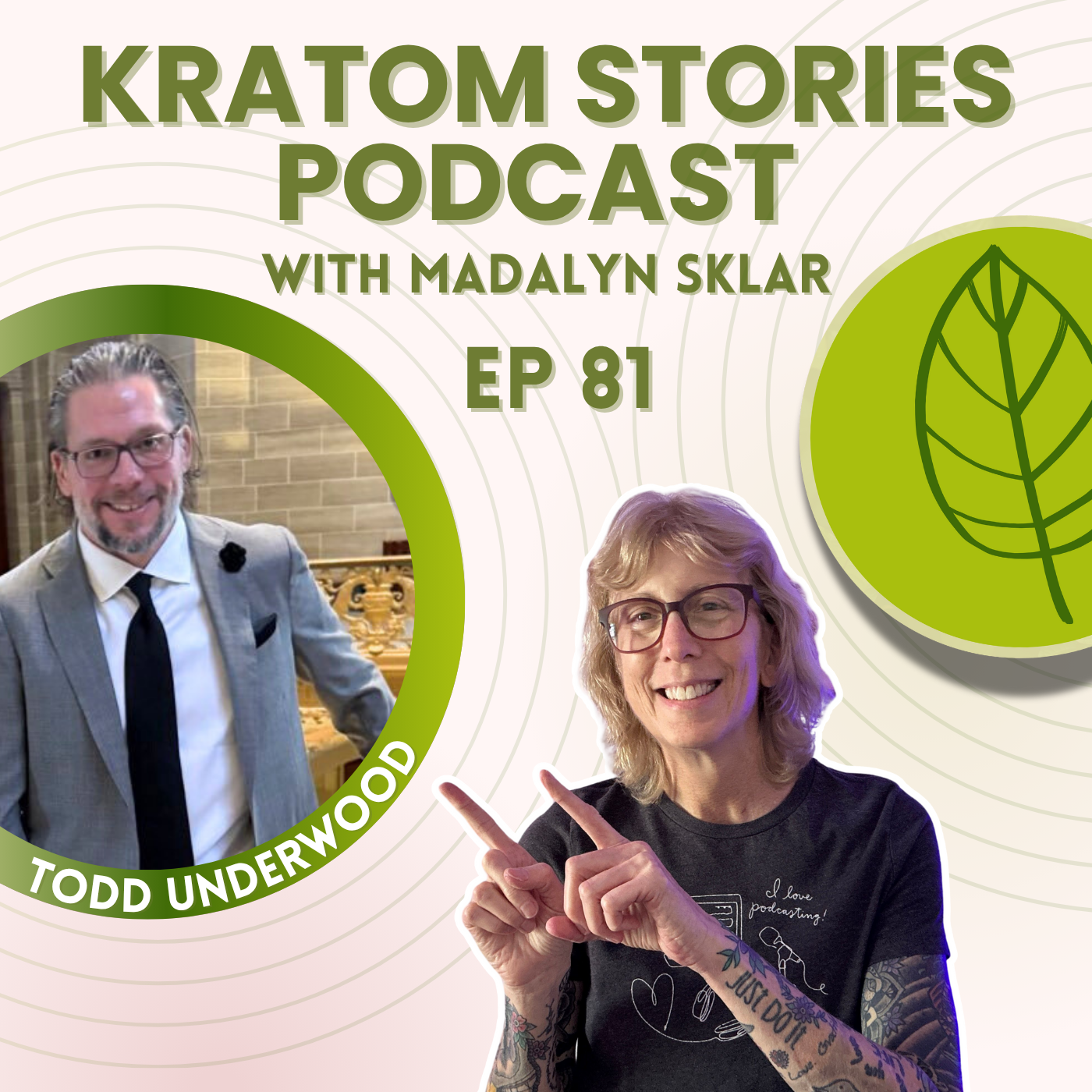
Todd Underwood, CEO and Founder of MitWellness, shares his story of living with chronic pain and how Kratom helped him move away from opioids. He also offers an insider’s perspective on compliance, safety, and the future of the Kratom industry.

 Apple Podcasts

 Spotify

 YouTube

 Amazon Music

 Overcast

 iHeartRadio
Todd Underwood, founder of MitWellness, shares his powerful story of living with chronic pain and then finding hope through Kratom. Diagnosed as a child with Charcot-Marie-Tooth disease, a progressive form of muscular dystrophy, Todd endured decades of severe pain that led to years of heavy opioid use following a heart attack and quadruple bypass. In 2019, after reaching a breaking point, he tried Kratom for the first time, and that day marked the end of his dependence on prescription opioids. Kratom helped him manage his pain without feeling medicated, giving him both relief and clarity. That experience inspired Todd to dedicate his professional life to understanding Kratom and developing safer, compliant products for others like him.
Today, through MitWellness, Todd brings an insider's view of the Kratom industry, one grounded in experience, ethics, and regulation. He explains what true GMP compliance looks like, why FDA registration and testing matter, and how unregulated synthetic products like 7 hydroxymitragynine threaten consumer safety and the future of the plant. This conversation goes beyond personal testimony to deliver a rare, behind-the-scenes look at how Kratom should be made, marketed, and protected for years to come.
🍃 RELATED LINKS
MitWellness - Founder & CEO
STAY CONNECTED with us by subscribing to our newsletter! Sign up at KratomStoriesPodcast.com
JOIN OUR VIBRANT KRATOM REAL TALK COMMUNITY ON SKOOL:
Skool.com/KratomRealTalk
🍃 MADALYN'S RECOMMENDED VENDORS 🍃
Super Speciosa - 20% off with code: KratomStories
Happy Hippo - 15% off with code: KratomStories
Christopher's Organic Botanicals - 10% off with code: KratomStories
Tap here for full list of Madalyn's recommended vendors along with coupon codes!
🍃 FOLLOW US
THE KRATOM GALS is a dose of real talk, real stories, and relentless advocacy. Every week, we dive into the latest Kratom headlines, react to videos, and call out misinformation with facts and fierce passion. It's not just a show, it's a movement to protect the plant we love and the people who rely on it. YouTube.com/@KratomStories
Please note: The views and experiences shared in this episode are personal and unique to the guest. Kratom, while featured prominently in these stories, is a botanical substance that is unregulated in the U.S. and various countries around the world. The Kratom Stories Podcast and its host, Madalyn Sklar, do not endorse, promote, or encourage the use of Kratom. We simply aim to shed light on personal experiences and narratives related to this plant. If you're considering using Kratom, we strongly urge you to seek professional medical advice, conduct thorough research, and comply with all local laws and guidelines.
0:00 We wrote an SOP on how to make 7 hydroxy. We provided that to different, different people. It's not complicated to make. It's really not. And we figured this out about 3 years ago on how to make it. And I look back and we could have been one of the early companies to release this product. And I suspect based on the numbers that some of these companies are producing minimum of $50 million I left on the table. And I and I, you know, I wonder, I was like, did I make the right decision? And I always go back to, I won't manufacture or distribute a product I wouldn't give to my wife.
0:41 And I couldn't, with a straight face and a clear conscience, give my wife synthetic 7 hydroxy. So I'm here with Todd Underwood from Mitt Wellness, a fellow kratom consumer, somebody that I think a lot of people have heard of in the industry. And Todd, I'm really excited to have you on the podcast to hear your personal journey with this plant kratom and just learning more about you. So tell us a little bit about yourself and life before kratom. Yeah, it's, I'll kind of go back to being three years old.
1:21 At three years old, I was diagnosed with a form of muscular dystrophy called Charcot Marie tooth disease. It's a neurological disorder and it's progressive. It gets progressively worse as I age. And then when I was in high school, I still played football and wrestled and was very active. And it wasn't until my late 20s, early 30s where I could really notice it progressing. And because of that, I walk with a abnormal gait. And because of that, I've always had lower back pain, hip pain, upper back pain, just, you know, constant chronic acute pain throughout my entire, you know, early adulthood. I then at 34 years old, I had a heart attack and quadruple bypass.
2:02 And as a result of that, part of the treatment plan was opioids. And I got on, you know, started off with your standard opioid protocol and it kind of grew into a point to where I was getting, you know, 90 milligrams of Oxycontin every single day and up to 15 to 20 Percocets every single day. And I got to be careful. I'm, I'm not trying to make a health claim, I'm just giving you my personal experience. It was February 17th of 2019. That day I took 90 milligrams of Oxycontin and probably 20 Percocets. And I went to bed and I woke up on February the 18th at 4:00 in the morning and I took a little bottle with a screw top and I put 3 tablespoons or three teaspoons of regular kratom powder in there with warm water. Put it in there, put the lid on there and gave it a good shake. Let it sit for about 5 minutes and then opened it up and drink it and then rinse it out with water and drink it a few times to make sure I got everything.
3:01 And that was at 4:00 in the morning. And that was the last time I ever took an opioid. I standard opioid from that point moving forward, I was able to manage whatever I had to manage and only taking regular creating products and at the time I was the chief operating officer of one of the largest cannabis companies in the United States. We had over 500 franchises. I never really saw any therapeutic benefits out of CBD, but when I took kratom, I instantly saw a correlation between what I felt and what the product did. And so from that point moving forward, I dedicated all of my professional time to researching kratom, figuring out what it is.
3:43 And you know, the biggest problem with kratom is it tastes like cradle. And so I, I got experienced through a regular kratom shot from a large manufacturer and I, I, I really liked it. And you know, so at that time I went into a smoke shop and I bought 20 different kratom shots they had there. And I went to a couple different shops and I at the time, you know, I probably ended up with 5060 different Kratom shots sitting there and I took a little eyedropper and I tasted every single one of them, some of them decent, some of them absolutely horrendous. Having a culinary background taste is always something I, I try to improve upon. And so I just developed a little Excel spreadsheet of, you know, here's the brand, here are the ingredients and just kind of looked for clusterings of similarity on stuff I liked and I didn't like.
4:36 And so that's what kind of led me to develop the first formula. And I actually developed this formula in 2019. And since I came from the CBD space in CBDA tincture, everything has a dropper top. So naturally that's the product I developed. I had a little 5MLA10ML and A30ML. Maybe it was a 15ML. But anyway, three different sizes, all with dropper tops. And that was kind of the start of of the launch of this company. And it wasn't until I had a large white label order where a guy said I don't want dropper tops, I want a flat lid on there. And that was kind of the start of Mint Wellness back in 2019. And that grew into what we have here today.
5:18 So in Blue Springs, MO, we have our extraction facility, which is our original headquarters. That's around 15,000 square feet. We bought another building a couple years ago and we finished that out. This is where I am now. It's our bottling administration. We got somewhere around 75,000 square feet right here. And we're can't go into too much details, but we have overseas operations we're developing as well. That's an incredible story. You just like the whole journey compacted like really short. That's amazing. We discovered kratom around the same time I started a month after you the very first time I took kratom after nine years of opiates for my chronic pain and you know, learning about kratom, doing my research and then just giving it a go. I did same thing.
6:07 I woke up 1, you know, the next morning after taking my opiates the night before and tried kratom and that was the start of of my journey as well. And it's it's just an incredible plant that helps so many of us and suffer with chronic pain. Well I mean it's what I've noticed is it's not just people using it for relief. People also use it for energy pre workouts. For some people, the the right serving helps you take a rest or relaxes you in lower servings. Obviously it gives you a pretty good energy jolt. So we've custom formulated a lot of combo products that give you different desired effects. You know, some some we've mixed with other caffeine analogs kind of give you a jolt of energy.
6:53 And you know, obviously we have a, a very popular product called mood that makes us calve and kratom like a lot of people these days. So we, we just you know as as the market demands our product evolution will continue. Yeah. How did you first hear about kratom and what made you decide to try it? Well, it's The funny thing is I was the chief operating officer of CBD American Shaman and everybody knows that company because Vince Sanders, the owner of that company is the number one producer of seven hydroxy right now. And he actually is the guy that gave me my first kilo of Kratom powder. And what was funny is we, we, we started the original Kratom company as a third party company that was exclusively going to sell to the franchises that we helped create. And their legal counsel back in 2022, two thousand 20/21/22 wouldn't allow us to sell kratom to the franchise because of the risk threshold they said.
7:53 And now it's just extremely funny that here we are today, they're selling synthetic 7 hydroxy at every one of the franchises. So regular kratom powder didn't meet their risk threshold, but synthetic unproven drugs basically do meet their risk threshold, which I find to be very comical. Wow that's interesting for sure. So what was it about kratom that made you decide to try and and and take that instead of the opiates? Well, it's, you know, when you, when you still like to maintain a pretty active lifestyle and the, when you look at the toll that typical pain management treatments give you, it's just, it's horrendous and hard on your body.
8:37 And I've always been open to different therapies that were plant based. And that's what just kind of got me involved in in looking at alternatives to see what would work. Yeah, yeah. I mean, so many people I've talked to that use, I mean, they use cream for a, a variety of things, but there are so many of us that suffer with chronic pain, very debilitating chronic pain and, and traditional, you know, opiates and other things that the doctors prescribed just don't always do enough. And then they prescribe something on top of what they're already prescribing. And before you know it, you know, we're taking so many different medications. I was able to stop all, all the opiates and gabapentin and muscle relaxers. I with just kratom which was amazing to me. I'm going to I'll get in a timeline with you. In 2006, Oxycontin was approved by the FDA as the first non addictive opioid.
9:32 That's how it was originally approved and marketed in 2012. That year was the highest number of prescribed opioids per capita at any time in human history. In 2012 was also the first time the FDA said anything about Crate. I'll let you draw your own conclusions, but I find it to be extremely convenient that when opioids are at their absolute Max prescriptions, that's when the FDA decided to go after a natural plant remedy. That's very interesting. Wow, did not know that was when they started with that. What what changed between that time and in 2016 when they like, were like, you know, we're going to shut this down in 30 days?
10:21 I don't know, I wasn't in the kratom space at that time. So I'm, I'm hearing all of this second hand information or reading what I can, I'll let you put on a tinfoil hat and look at whatever conspiracy theory you want. I know that I was extremely pleased when the F director of the FDA on January or sorry, July 29th acknowledged we understand there's kratom out there and we're not concerned with traditional kratom products. What we are concerned with or synthetic opioids being masqueraded as dietary supplements called synthetic 7 hydroxy. And then I know there's people out there watching this right now, they're going to argue, well, it's not synthetic, it's semi synthetic, it's not natural. Let's all agree there.
11:02 Yeah, that's a good way of putting it because it isn't natural and so many people say it's just kratom or it's just stronger kratom, but it's not the same as your regular traditional kratom. No. And I'll put it to you like this, I don't know how many thousands and thousands of kilos of extract we've produced over the years. 99% of the time on a standard HPLC, the LOQ on 7 hydroxy in our product is below the detectable level. So and that's at a pure, that's at an extract level. So by the time it gets down to the finished product, you know, there's not enough 7 hydroxy in there to actually do anything to the human body. And then people always make that argument. Well, people's liver converts 20 to 30% of metrogenine over to 7 hydroxy.
11:50 It's the same molecule, but it's not the same thing. And let me explain the formal kinetics of why it's different when you consume kratom or a naturally extracted kratom product with the plethora of alkaloids that are in there, kind of a full spectrum or a broad spectrum, however you want to define it. Your body has a processing mechanism and a built in buffer that throttles the amount of seven hydroxy you're getting. It also has the other alkaloids that your body is also, you know, digesting, running through the liver that create a Symphony of of things going on in your body that has a proven track record of safety.
12:31 Doctor McCurdy, I forget where I was at and I actually heard him say this first hand. There are alkaloids in the kratom plant that if you isolated them and consume them at the same level that they are found in the natural kratom plant. So if you had a isolated alkaloid in the same level that it's found in natural leaf, if you consume that as an isolate, it would be deadly. But the fact that you're consuming a natural extract product or a natural leaf product with the Symphony of alkylates in there, your body has some sort of mechanism that knows how to process those. And Doctor Mccurdy's response was nature's always known best. And it's also another funny thing when heart, the Holistic Alternative Recovery Trust, or I think that's what they are that nonprofit dedicated to 7 hydroxy. They like to quote Doctor Jack Henningfeld when he did his original 8 factor analysis when he said kratom doesn't meet the level of scheduling back in 2018. I think it was.
13:36 What they failed to identify or really look at the fine points is synthetic 7 hydroxy wasn't on the market in 2018. So to look at a study done on natural kratom products with a natural amount of real 7 hydroxy in there and then try to conflate that into some sort of evidence that synthetic isolated pure 7 hydroxy is now safe for human consumption, is completely asinine, doesn't pass any regulatory mustard and and makes the entire industry look stupid to be quite frank with you so. Yeah, fascinating information. And yeah, I have noticed that whole thing with Henningfield, that heart does.
14:18 I listen to, you know, I love Doctor McCurdy and the way he talks about kratom being a Symphony, the way the alkaloids work. I definitely feel that as somebody that consumes kratom powder, that it just the way I it reduces my chronic pain to the point that I forget that I even live with this. I've degenerative disc disease, which doesn't get better, it just gets worse. And it's been very debilitating for me. And it's like, it's like I forget that I even have that because I'm not feeling it the way I did with the opiates, you know, I feel, I felt even though I took a lot of opiates, I felt it every day. It was still a struggle. It was hard. The medicine helped, but not nothing to me like kratom does, like kratom has just been phenomenal. I'm just, and that's why I advocate so much Todd, because I never heard of it when I was in pain management for 9 years. I never heard of kratom.
15:08 Nobody ever talked about it. I, I didn't discover it until I got dropped from pain management because the doctors are too scared to prescribe. They just won't prescribe anymore. And they, they sent me a letter saying we're not prescribing our patients anymore. No other doctors would take over, you know, 2019. No doctors would take over back then. And, and I know it's worse now, but thank God I found this plant that's been life changing for me and it's like I want people to know about it. Yeah, I mean, it all comes down to education and educating people, you know, one consumer at a time. It's, I think that right now, the way kratom's positioned, especially with the recent attention from the FDA, I think it's a perfect time to be in this industry that we are. I think there's nothing but future growth opportunities. And I, I think it's, I think the future belongs to the companies that follow regulation.
15:58 And one of my biggest concerns is there are thousands of these vendors out there that people brag upon and say how great they are and they're being manufactured in their garage and packaged in their garage in unsanitary conditions. I mean, in order to do this in order to, because in, in the United States, everything you consume is either a food, a drug or a supplement. And supplements are a division of the food program. And if you're going to manufacture dietary supplements for human consumption, the first thing is your facility has to be registered with the FDA. All three of our facilities are registered with the FDA. You also have to follow Chapter 111 and 117 and one, 9111 is what regulates dietary supplements.
16:45 Part 117 is what regulates GMP and 190.6 is a new dietary ingredient notification. And then you also, if you're having a liquid formula, you need a process authority letter. Process authority letters. When you send your formula to a independent food laboratory, they look at your processing, how do you manufacture this product? And then they verify your manufacturing process and then they look for shelf stability to prove your formula will be free of Botulism and foodborne bacteria based on how it's stored. So that's why it takes a lot of work to actually get there and do that. And that's what terrifies me when you have a lot of these companies, and I'm not going to say anybody by name, but it's companies. I've seen a lot of your followers talk about how they love this company.
17:35 And you know, you look at their website, they're not registered with the FDA, they have Coas. If they do show them they're 6-7 months old, You look at their packaging, there's no expiration date, no batch numbers on there. So it's all these questions. This is how people get hurt. And as, as consumers, what you need to know is you need to hold your manufacturers to these standards or find a different manufacturer. And I know that it, it pisses a lot of people off when you say you shouldn't be doing this because they're passionate about it. But passion doesn't, you know, mean that you're being compliant. And there was a kratom company back in 2018 that didn't lab test their products appropriately and salmonella got through and it made a lot of people sick.
18:24 And that company has gone to tremendous lengths these days to be very compliant. And they've done a great job. So I'm not going to, I'm not bringing that up to, you know, to throw stones at them because they are a very compliant company now. But when you look at how many of these vendors that people talk about on your podcast or your groups that you know they're making it in their garage. If they're not lab tests and everything, they don't know what a batch certificate is. They don't know how to do all these things. Just because you're passionate about kratom doesn't mean you'll be able to turn it into a business. Takes a lot of money. I bet we spend 4 or $500,000 a year on compliance just to make sure we're following Title 111 and 117.
19:05 How do we consumers know who's doing everything right? I know the American KREM Association has their GMP list of, of the people that are, you know, that they have certified to be compliant through GMP. You get, I mean, look, when I started in 2019, consuming kratom packaging was a lot different. There wasn't that much information being put out through through different kratom companies. Whereas now in 2025, packaging is really stepped up. We just it just seems like things have changed for the better for the consumers, but still, how do we know I. Mean, you know. Yeah, how do we know? Great question. Traditionally it's hard to find AGMP auditor to work with Gray market botanicals like kratom. So you can't contact your main GMP authorities and have them come in and do a third party audit on you. And So what the AKA did, they're now on what they call GMP 3 point O.
20:02 Years ago they started a baseline GMP certification and I will I will equate it to GMP light or watered down version, but it was a starting point. Robert Durkin is my FDA compliance attorney. Robert Durkin was the deputy director of the Food and Drug Administration's dietary cell phone program at one point. So he understands GMP 111 and all those regulations under 21 CFR better than anybody. And he worked with the AKH over the past couple years to really beef up their GMP program and their auditing process. So you want to know, how do you know that your products are being made in accordance to standard dietary supplement rules and regulations? Go to the American Creative Association, look at their GMP approved vendors.
20:51 Without some sort of third party verification, you have no idea of what you're consuming is safe for human consumption. That's number one. Number two, if you look at the GNP vendors, let me let me back up. Kratom would not be legal and available in the United States if it wasn't for the American Kratom Association. It's a fact. Anybody that says otherwise doesn't know the history. Mac Hadow worked harder than any human being on earth to make sure kratom didn't get scheduled, and then he brought an organization to the kratom industry in the form of GMP programs. It's those vendors that are participating with the American Kratom Association that are funding these initiatives.
21:32 So if you want to make sure kratom stays legal and stays safe and stays available for human consumption, I highly recommend picking your favorite vendor off of the American Kratom Association's website and choosing one of them. Because we are the ones paying the bill to fight the good fight when it needs to be fought. So all these other people that aren't contributing financially or following GMP protocols are part of the problem. They are putting the kratom industry at jeopardy. I'm going to get a lot of Flack for saying that, but I don't care because it's true and. You know, as consumers, we appreciate that. We want honesty. We want to know where the best places to purchase our Kratom from And the ones that are on the American Crime Association list, I mean, I purchased mine from some of those other ones that are on my list are ones that I've personally gotten to know.
22:23 I've talked to the people and, you know, I mean, I've heard like, I don't know all the details, but like some of them say, yeah, you know, we're working to be certified through the AK AS program. I've heard other people say it's expensive to do that, but that they're following the, you know, self. I guess self regulation is what it is, right? Time out. Yeah, paying $5000 for the AKA to give you AGMP certification. It's too expensive. You don't have the capacity to be selling dietary supplements. That's a great point and I totally agree with that. So how do we know like with some of these companies? So, so you're saying that if they're not doing this through the AKA, then they're just we're not 100% sure what they're doing?
23:07 What, what age, what third party agency? Because when you, when you have AGMP audit it, it outlines everything required in 21 CFR. That's code of federal regulations. They look at everything that you're required to do. They come in, they verify you're registered with the FDA as a food manufacturing facility. They, they, they verify that you have batch numbers and lot numbers on every product. You have traceability on everything. I'll put it to you like this. I don't have a bottle in my office right now with my label on there, but if I showed you a bottle of my product, it's going to have a batch number on there. And based on that batch number, I can put it into our system and I can pull up all the raw ingredients that are in that bottle and I can show you the lot number and COA on all those raw ingredients.
23:59 I can even trace it back to these kilos of kratom powder were extracted On this date. You can make this extract which went in this batch, which went in this bag of kratom extract that went into this formula, which went into this bottle. You have to be able to prove that. And also I can look at that batch number and based on that batch number, I can tell you every single person that was shipped one of those bottles. That is called traceability. That is what is required. That's the minimum requirement. So it's not an easy thing to do. It takes a lot of manpower, it takes a lot of systems, a lot of organization, a lot of learning the law and following through on things.
24:42 And when I say that there's a certain barrier of entry that you have to be able to exceed to be get into this business, I mean it. And when you start taking shortcuts, you don't test everything, you don't assign lot numbers. If you look at a bag of kratom that you have in your warehouse and you can't tell me every single individual that purchased some of that kratom, there's a problem with that. We also have to keep a sample of every finished good that we have, and we even take it above and beyond that. Every time we get in caffeine, we keep a sample of it with that lot number and file it away. The propylene glycol, the propandiol, the flavorings, the sucralose, the stevia, every single ingredient we keep a retain because if there's ever an issue, we need to be able to identify where it came from, where was this hazard introduced into our process. And then every time we have a finished bag of extract, we keep retains of that batch number.
25:36 Anytime we make a barrel of finished good, we keep retains of that product. So if Jane Doe gets one of our products and says this product made me sick, what's the batch number? I can go to the retain here in my factory, pull that retain of the exact same formula as she had and I can start doing analytical testing immediately. Because we have an HPLC in house that's high pressure liquor chromatography. It tests for all of the potencies. We have microbial testing and we have bacteria. So we have the ability to immediately identify if there if there's a problem. Now if Jane Doe says this product made her sick and I'd go back to my retain of that exact batch number and it's free from any food bone bacteria. Well, it got introduced after the sale from us somehow. Or if we find out there is something in that batch that's bad, then we can go look at all of our raw ingredients and test those.
26:29 We can determine where that raw ingredient came from and then go back and test that. So how do you know your companies are doing that? Unless you have a third party GMP audit verifying that you follow that, you don't. You're rolling the dice. You're assuming they're doing it the right way. I would implore you, I'll have them fly you out here and let you tour our facility and show you what it takes to do things the right way. Yeah, and it's important that things are done the right way as consumers, that we know what we are putting in our bodies is safe and is not going to harm us. And it's great learning all about this from Utah. So thank you for for helping educate me and my community on all of this. That's what makes this interview extra special because we're not only hearing your personal journey with kratom, but also learning more about the industry and how things are done and how they need to be done right.
27:20 But yeah, this is, I love this information. But let's go back to your story for a moment, back to when you first started kratom. I love hearing all this other stuff and I'm sure we'll have more of it 'cause I love these kinds of stories you've been sharing with us. But going back into a little bit more of your personal experience with kratom, when you first started it on that day in 2019, what was that experience like? And you said, like you took kratom from then forward, no more opiate. So like, did it just work amazingly well from the very first dose? No, it's, it's, I don't like to be medicated. I don't like to take anything I don't have to take. And given the fact that I have muscular dystrophy, I've had three heart attacks, I have one functioning lung. I take a lot of heart medicine, blood pressure stuff. And if I don't have to take it, I, I do whatever I have to do to not take something.
28:11 And with, with your standard opioids, you always felt like you're under a fog. You always felt medicated. The beauty with kratom for me is it did just enough to help give me the relief I was looking for. But as an added bonus, it had some stimulating properties that kind of kept my mind in the game. So it, it, it was just a, an immediate I, I knew what I got. And for three or four years I was taking CBD like every one of my Co workers every day. And I even owned multiple CBD franchises at the time. And what was funny is have you ever taken CBD?
28:53 Yes, I have. OK. Do you feel anything? No. No, now that it died, but I would sit there and we'd sample it on a franchise level to all of our prospective customers and they would say, oh, wow, I feel it. And I've been in my in my mind, I'd be like, OK, great. You feel something. And in my mind, I'm like, I never felt anything from taking CBD. When you took or when I took kratom, within 10 to 15 minutes, I felt that I took something. I knew I took something. And when you look at our NDIN, our new dietary ingredient notification, the study that we did, 90% of all participants didn't know if they were taking a placebo or 30 milligrams.
29:39 They couldn't tell. Now at 50 milligrams, 100% of the people knew they were taking 50 milligrams. So it was kind of that sweet spot of 50 milligrams that it became effective. I know Ryan from MIT 45 is very strong in his opinion that 25 milligrams needs to be the the starting serving. I respect his rationale and his opinion behind that. His theory is for a first time consumer that's never had kratom, nobody's going to have a bad experience with 25 milligrams. I agree with him. He's right. But our safety data suggests that 50 milligrams based on our extract because our extract is unique and based on our uniqueness of our extract, we feel that 50 milligrams is the safe serving suggestion for based on our safety data.
30:29 And how familiar with the NDIM process are you? Not too familiar. OK, well #1 in 1994, when Duchet was passed the Dietary Supplement Health and Education Act, it was signed into law on October 15th. And just like when Jesus Christ was born, you had AD and BC, October 15th created a similar date time stamp in our calendar. In the United States, every dietary ingredient that was regularly available on commerce at that time is classified as an ODI, an old dietary ingredient, and they were grandfathered in. Everything that's introduced into the food supply post October 15th is called a NDIA, new dietary ingredient.
31:14 And if you're going to introduce a new dietary ingredient into the food supply, you're required to file a new dietary ingredient notification. That's all the more abbreviations I'm going to go over with right now. But anyway, when you file an NDIN, you first have to identify what is it? What are you called? What is your dietary ingredient? Then you have to demonstrate how do you make it? Is it reliable? Is it consistent? Do you have all the data to clearly identify what it is? Can you chemically characterize it? It how do we know what it is? Then once you establish its identity and establish an identity isn't as easy as you would think. Once you establish identity, the next question is, is it safe?
31:54 Well, is it safe based on what? Based on your conditions of use. So our product recommends 18 and older, 50 milligrams at a time, non pregnant. So we had to prove that our it, our extract was safer in consumption. If you're 18 years or older and you're not pregnant and you're only taking 50 milligrams at a time, no more than 150 milligrams throughout the day, based on that condition of use, we proved it was safe. Now, if you're going to introduce a product, a manufacturer has to have what's called a reasonable assumption of safety based on your conditions of use prior to market entry.
32:36 Those are very specific terms required under 21 CFR. So for example, three years ago when they introduced 7 hydroxy in the market, what certainty did any of these manufacturers have that the product was safe for human consumption? Zero. Yeah, that's what I figured. None. No, the the seven hydroxy community loves to say that. Well, five, you know, 1 billion servings have been served and nobody's dead yet there, that proves it's safe. Harm begins prior to death. That's one thing that they fail to understand. Just because it doesn't kill you doesn't mean it's not harming you. Addiction can cause harm.
33:18 So a lot of other things cause harm other than just death. And I'm not sure if you saw the news article from the LA County Health Department, they now have black and white confirmed evidence. 7 Hydroxy has killed people. I saw that, yeah. Yeah, so there goes the entire industry's evidence of, well, it hasn't killed anybody yet as their justification for being on market. But you know, all those products, those seven OH products came out into the market very heavily, increasing those milligram doses exponentially and it's like they just introduced it. No, no. Like what you're talking about like going through the process and showing you're putting out safe products into a market.
34:02 Well, it's when you look at the identity of it all these labs are creating a different it their identities different because when you look at this product under an NMR, a nuclear test, there are a multitude of unidentified organic peaks that are in these products that they haven't identified what they are. So we have no idea what they are, what they do to the human body, any of the shorter long term health risk. There's no way of having any evidence that these products are safe for human consumption. And I know that Michelle Ross and a few of those other people that are paid endorsers of seven Hydroxy, they, they love to sit there and say, well, it hasn't killed anybody yet.
34:43 They're there. That proves it safe. Well, now we have evidence to the contrary and I can't wait to see them tap dancing around the subject. Yeah, and, and The thing is there's there's kratom whole leaf powder, there's kratom extracts, and there's these seven OH, products. And what I'm finding is a lot of people are confused. They don't understand that there's all these different things. So many people think kratom is kratom. So how do you explain the differences when somebody's like, what? What are all these products? I thought it's all the same thing. You know, it's caveon inventor. That means buyer beware. I think that two or three years from now, we're going to look back at this time and wonder what the hell were people thinking? Because it's already an 8 or $9 billion industry that gives these companies a lot of lobbying power. I suspect that's why the DEA hasn't scheduled it yet. I mean, because the DEA came out with the FDA very strong on July 29th.
35:44 We know what it is. We know where it's being made and we're going to get it. Then nothing's happened. Nothing's happened and it's it, it, it makes me question things because we wrote an SOP on how to make 7 hydroxy. We provided that to different, different people. It's not complicated to make. It's really not. And we figured this out about 3 years ago on how to make it. And I look back and we could have been one of the early companies to release this product. And I suspect based on the numbers that some of these companies are producing minimum of $50 million I left on the table. And I and I, you know, I wonder, I was like, did I make the right decision?
36:34 And I always go back to, I won't manufacture or distribute a product I wouldn't give to my wife. And I couldn't with a straight face and a clear conscience, give my wife synthetic 7 hydroxy. So I know I made the right decision. And I know that when these products get removed, this is kind of a a fortunately, unfortunately situation. I don't know this $8 billion industry, how many of those were taken away from kratom or how many of those were organic brand new consumers. But when 7 hydroxy does get banned, their only choice is going to be to go back to regular kratom products. So unfortunately, I think that, you know, I don't like it by design, but I think the future looks very good for people that have played by the rules all along and make good, true, honest products.
37:28 Yeah. And as a consumer, we appreciate that you and other kratom manufacturers did the right thing. I've talked to other manufacturers, said same thing as you, that they could have gone down that road but chose not to because it just wasn't the right thing to do. It's not something they'd give to a family member. But you know, it's, we're all like waiting to see what does the DEA do next? So what do you think is the DEA doing right now? Because nothing has happened yet? Where is this going to go? I don't know. It's it's, I've heard, you know, the same rumors that everybody else has heard. And what's funny is I remember having this conversation with one of our lawyers.
38:09 This is 3 years ago when 7 Hydroxy first came on the scene started getting popular and everybody's every responsible company out there was like, don't worry about it, don't get involved. It'll be gone quick. The FDA is not going to let this fly. Then three months later, we're all sitting there scratching our heads like, OK, what's going on? Then six months later, same question. You know what, what's going on? What? You know why? Why is this product still here? Then it was a year later, year and a half later. And then like, OK, the FDA and DEA finally said something, they're going to get it and here we are going on 45 days later, nothing. So I don't know what's going on. Yeah, I'm just so surprised the FDA made the big deal. And, you know, they said what they said and then, you know, we recommended this to the to the DEA and it's like, OK, we're. And The thing is though, for me personally, I don't like the idea of it being schedule one because then there can't be any research.
39:10 I would prefer that there could be research on this. And the people I talked to that use it for their chronic pain, that consume it responsibly, say it's amazing and that they don't have. How can somebody consume 7 hydroxy responsibly? I've talked to people that say they did their research, they they didn't abuse their opiates or there's they can't get them anymore. So they're trying to seven. OH, and they're just using small amounts of it. Yeah, but how can you use a product made by unregulated, unregistered companies made with unknown compounds with no safety data? It's a it's a rhetorical question. How can one use that responsibly? Yeah. No, I get you. Yeah. If if I said I'm using heroin responsibly. Right.
39:54 No, I get you. That makes perfect sense. I'm I'm just talking about what they've said to me. But that's a great point. That's a great point. Seriously articulate the difference between heroin and its manufacturing process and seven hydroxy in its manufacturing process. Articulate the safety difference to me. What makes one? How can you say 1 is being used responsibly and one is not? What if? What if? What if my heroin manufacturer follows strict safety protocols and make sure it's pure and packages it correctly and says don't take too much? Does that mean I'm consuming heroin responsibly? That's a great point. I love this talk because you know, you're you're bringing a point of view that's never talked about and that's an excellent point. Plus, the shocker when Doctor McCurdy talked earlier this year about how there's pool shock chemicals used in a lot of those products, he came on my Kratom Gals live stream and was talking about that with us and we were just all like, whoa, if you're using pool shock chemicals and people don't realize things like that are happening.
40:58 The reason they're using pool shock is it's a cheap, easy alternative than buying a pure lab grade material. You can go to any pool supply store and buy it. And yes, that is being used to make a lot of the seven hydroxy that's out there. There is a guy. Let me think of his name real quick. And you like you don't even know what the long term effects will be of ingesting these these products. No, I'm going to, I'm going to show you because I've been arguing with the guy for about two weeks on Facebook or not Facebook, LinkedIn. His name is Matthew Pierce and he has videos on YouTube on how to synthetically make 7 hydroxy.
41:40 And he he's selling the full SOP through his website for like 400 bucks. And he uses he uses ozone and the pull shock material in there. And he's sitting there proclaiming that he's doing the Lord's work and helping people relieve pain. And some of his points are just mind boggling. And that's what that's what we're up against. And so it goes back to my question. When when people sit there and say, well, I'm using 7 hydraulics irresponsibly, are you explain that to me. Yeah. That's you're making such a great point and there's not like there's AGMP program for those products and you know. They can't even identify what their product is. They know they know there's 7 hydroxy in there, but they haven't identified the other 18 compounds that are unidentifiable.
42:33 So how can somebody responsibly consume that? Yeah, Yeah, I heard McCurdy mention that that there, there there are compounds in it that they can't identify. But when you say this to people in the 70 H community, they always have something to counter say to that every single time. I don't know if it's just denial, I don't know. I mean. Find the smartest person you can find on 7 hydroxy and want to sit down and have a respectable objective discussion under your mediation about this topic. Yeah, that would be great. Final. Yeah. I'd be more than happy to have this tone, this demeanor, this conversation and ask these questions. And it's, it comes down to I, I meet a lot of people that talk about, well, I, I don't like the AKA and I'm not going to use their, their recommended brands or their recommended GMP vendors.
43:30 I buy mine from a responsible vendor and I always ask them the same question, what vendor are you buying it from? And they will never tell me. Nobody's ever told me who they're buying it from. Why do you think that is? I know why because I'm going to look at their website. I'm going to realize real quick, they're not GMP, they're not registered, they're not following any of the basic safety protocols. And then how can you sit there and say that I'm buying from a legitimate vendor that doesn't care about anybody's safety? And also because of our GMP compliance and us following all of these protocols, we have real product liability insurance. That's another thing.
44:12 Ask your vendor if they have product liability insurance. Oh, that's a good one. Yeah, that's good. That's good to know. That's good for us consumers to know these things. That's why it's great getting like more industry insider information from someone like Utah because. This is yeah, I know. I know that when people watch this podcast, this is going to be pretty divisive for a lot of them because I'm pulling out, I'm I'm bringing up issues a lot of people don't want to talk about. And the people that watch this, I'd say, you know, 20 to 40% of the people that watch this aren't going to like what I have to say. 20 to 40% of the people out there are going to stand right by me and agree with everything I've said. It's the people in between that I'm really speaking to right now. Yeah, Yeah. Well, I mean, it's still at the end of the day, this is important educational information for our community and it's good for people to to hear about this. I appreciate you sharing all this information being so candid with with all of us.
45:06 So thank you so much for doing that. The truth always comes up and I, I, I stand by everything I've said. And if I, if, if I've offended anybody through listening to this, that's not my goal. But don't attack me as a person. Attack my arguments and we can talk about them. So. Yeah. Attack my points, not me, and we can figure. It out right exactly. Is there anything else you want to talk about on this podcast episode today? We've we've covered a lot of things in this discussion. I just want to make sure if there's anything else you wanted to cover. I figured we would be talking about 708 and I appreciate you, you sharing your, your thoughts and views and the whole GMP is it's just, it's good information for all of us to to know more about. Yeah.
45:48 And I, I do want to make, I make sure I say this every time I talk about 7 hydroxy because part of me is a libertarian. And the way I look at it, what, what somebody puts in their body is none of my business. What one man does for a living is none of my business so long as what they do doesn't affect me. And that's where it gets my attention right now. We've watched there were 27 or 28 either states, counties or local bands discussed this year, and that's more than any other time in history. And the only thing that's changed is the proliferation of seven hydroxy. And if it wasn't for the inherent risk that 7 hydroxy was to regular kratom products, I wouldn't care. For example, you'll never see me publicly talk about any cannabinoid, whether it's synthetic, whether it's natural, the THC OS the THC.
46:40 PS I don't have a position on any of that because I don't sell cannabis, I don't make cannabis, I don't consume cannabis, so I stay out of it. The only reason that 7 hydroxy has me involved or has an opinion from me on it is because it's putting the entire kratom industry at risk and anybody that thinks otherwise isn't paying attention to the details. It's a great point because I've been heavily involved in Kream advocacy for about 2 1/2 years now and it was not like this a few years ago. It but what as these 708 products got out to the market more like even a year ago they were out there, but not at the level we're seeing right now. It's not being talked about back then like it is now.
47:21 We're not hearing all these stories of addiction then versus what we hear now. It is just and but we see more and more of these bands cropping up around the country, like way more than ever. Why don't, I'll put it, I'll give you a bounty, I'll give you 5 grand cash and I mean it if you can get Vince Sanders and I'll give you his number if you can get him on this podcast with me. That would be very interesting. I would actually love to hear the two of y'all talk together. That would be. Cool. Yeah, Lawrence. Whatever happened to Lawrence? The guy from the Kratom Advocate podcast. I don't know. I I like all of a sudden the podcast stopped.
48:03 So I don't know. OK, yeah, he was. He was trying to arrange that sit down and wasn't successful at it. But yeah, I'll sit there and debate the science and the facts and the regulatory landscape with anybody. Yeah, that I mean that just I don't need a bounty for that. I mean I think that's just would be interesting to hear y'all too have a discussion like that. Yeah, and I will be 100% professional and objective throughout the entire conversation. We're going to talk about the science and the regulatory landscape and the facts. Yeah, yeah, I, I would definitely love to facilitate a conversation with both sides, you know, of this, of this conversation, because I think there's just so many of us that are in the middle of this and we're just trying to have more understanding and awareness to just know more about all of this.
48:54 Even though I don't consume 70 H personally, but I do talk to people who tell me that they're, you know, and I understand everything you've said. That makes perfect sense. I'm just trying to show compassion for people who are like, I, this is something that's helping me. I'm also showing compassion to the people that have been harmed by it because there's been so many people in my DMS. They're like, I discovered this, this 70 H. I didn't really understand it. I got addicted. I can't stop. I don't know how to stop. I need help. And they see that. I make videos trying to educate people, you know, kratom versus 708. And so they, so many people come to me and I just, I hate seeing so many people get caught up in the middle of all of this. Yeah, so do I.
49:40 I think it's going to end bad and I'm looking forward to this chapter closing and let's moving on. Yeah. But but I think it just takes more of these kinds of discussions and I would love to see more of like both sides talking it out and letting us, the community, be a part of it so we can have better understanding and hear both sides of it. Well, it all goes back to following the existing regulatory framework that is in existence on how to bring a product to market. If I did it, I don't think I'm that much smarter than everybody else. If I can follow the law, if I can do all this stuff, why can't the other companies? Right.
50:21 I mean, I didn't start off managing, you know, 120,000 square feet of manufacturing facility. I didn't, I started off where I had A and the desk is still here. I bought a $30 desk from IKEA. I had my cell phone and a laptop. I would be making phone calls throughout the day. I would then stop and I would personally formulate the product and I would pass it off to two employees and they would bottle it and ship it out. And we did that until I was able to train one of them to formulate without me. And then we just kind of organically grew from there. Now here it is going on. Four years later and hundreds of employees later, here we are. That's amazing.
51:04 That's, that's, that's awesome, yeah. So anyway, I appreciate you having me on. Yeah, Thank you so much, Todd. This has just been a great conversation. I would definitely love to have more, more discussions with you in our community. So I'll, I'll definitely work on that and get back to you all. Right. Well, I appreciate your day. Have a good day.
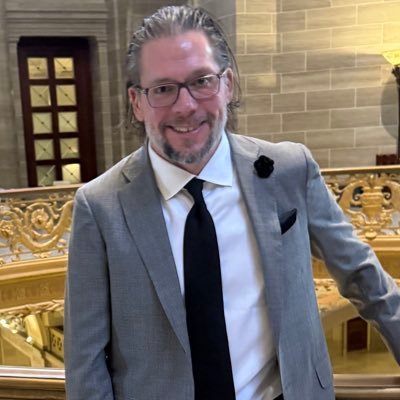
Founder/CEO
Todd Underwood — Founder & CEO, MitWellness
Todd Underwood is the Founder and Chief Executive Officer of MitWellness, one of the largest and most advanced botanical extraction and supplement manufacturing companies in the United States. With a background in chemistry and more than a decade of experience in product formulation, Todd has become a driving force in the evolution of the kratom and kava industries — pushing for scientific integrity, regulatory compliance, and consumer transparency.
Under his leadership, MitWellness has grown into a vertically integrated operation, processing over 30,000 kilograms of d-limonene-damp kratom biomass per month and producing a diverse portfolio of wellness products that meet rigorous 21 CFR Part 111, 117, and 190.6 standards. The company operates at full GMP compliance, supported by state-of-the-art analytical equipment including Thermo Fisher HPLC systems and industrial-scale extraction and distillation infrastructure.
Todd’s relentless commitment to legitimacy and innovation has positioned MitWellness as a regulatory pioneer in the botanical space. He has successfully filed multiple New Dietary Ingredient Notifications (NDINs) with the FDA, including submissions for Mitragyna speciosa leaf extract standardized to 75% mitragynine and mitragynine acetate salt—milestones that mark the company’s dedication to scientific validation and responsible commercialization.
Beyond the laboratory and manufacturing floor, Todd is an outspoken advocate for rational botanical regulation and consumer education.… Read More


