
Ep 52: Kratom for a Balanced Life: Mind, Body, and Connection with John Newmark
Explore Kratom's mind-body benefits with therapist John Newmark. Discover how it can manage pain and boost mood, plus the key differences between whole-leaf, extracts, and 7-OH. Join the conversation on responsible Kratom use and its potential for mental wellness.

 Apple Podcasts

 Spotify

 YouTube

 Amazon Music

 Overcast

 iHeartRadio
This episode of Kratom Stories explores the profound connection between mind and body, diving into the intersection of physical and mental pain with licensed psychotherapist John Newmark. John returns to discuss how Kratom can help manage both, highlighting its often-overlooked benefits for mental well-being, including its positive effects on anxiety and depression. He explains how Kratom interacts with the nervous system to improve mood and reduce pain without impairment, allowing individuals to feel more like themselves. The conversation also explores the crucial difference between whole-leaf Kratom powder, extracts, and synthesized 7-OH products, advocating for responsible use and informed decision-making.
John challenges the stigmatization and criminalization of Kratom, particularly given the widespread mental health and chronic pain crises. He advocates for harm reduction and responsible medical practices, urging healthcare providers to be open to Kratom's potential benefits. This episode is a call for honest conversations about Kratom, recognizing its potential to offer much-needed support for those struggling with pain and mental health. It's a must-listen for anyone seeking a deeper understanding of Kratom's potential.
🍃 RELATED LINKS
Ep 17: Kratom Conversations: Exploring Alternatives with John Newmark
Dr. Kirsten Smith’s Johns Hopkins study
The Potential for Kratom as an Antidepressant and Antipsychotic
Kratom use and mental health: A systematic review
Patterns of Kratom use and health impact in the US—Results from an online survey
Hear Lora Romney (Episode 41) talk about her pain management doctor's demands
Full show notes for this episode at KratomStoriesPodcast.com/52
HOW YOU CAN SUPPORT. If you love our content and community, you can show your support through Buy Me A Coffee, or in this case... Buy Me A Kratom tea! This helps us with the cost of running the podcast, livestreams, and forum.
🍃 MADALYN'S RECOMMENDED VENDORS 🍃
Etha Natural Botanicals - 25% off with code: KratomStories
New Hope Botanicals - 10% off with code: KratomStories
🍃 FOLLOW US
STAY CONNECTED with us by subscribing to our newsletter! Sign up at KratomStoriesPodcast.com
WATCH THE KRATOM GALS LIVESTREAM! Check out our YouTube series called The Kratom Gals, where we review videos about Kratom and then react and share our personal experiences.
JOIN KRATOM REAL TALK, our online community for positive, uplifting discussions about the power of whole-leaf Kratom.
Please note: The views and experiences shared in this episode are personal and unique to the guest. Kratom, while featured prominently in these stories, is a botanical substance that is unregulated in the U.S. and various countries around the world. The Kratom Stories Podcast and its host, Madalyn Sklar, do not endorse, promote, or encourage the use of Kratom. We simply aim to shed light on personal experiences and narratives related to this plant. If you're considering using Kratom, we strongly urge you to seek professional medical advice, conduct thorough research, and comply with all local laws and guidelines.
1:28 Before we dive into today's episode, I want to let you know about Kratom Real Talk. It's a new community for positive, uplifting discussions about the power of whole leaf kratom. If you'd like to be part of the conversation and learn more about this plate or contribute your knowledge, go to kratomrealtalk.com. So I'm here with John Newmark. You may remember I had him on earlier in the year, episode number 17 of the Kratom's Toys podcast. It's been a while. I wanted to bring John back because we're doing something a little different today. We're going to have him talk about mind, body and connection and how this all relates to kratom. Going to be a very interesting conversation. I think we're going to learned so many great new insights out of this.
2:19 So basically the intersection between physical and mental pain. So John, thank you so much for coming back. And I feel like it's going to be a continuation of our last conversation we had on here. Oh yeah. I really look forward to it and thank you very, very much for having me on again. I appreciate it. Absolutely. Yeah. I think there's such an important topic and you know, you and I message each other pretty regularly on emails and in the Kratom Real Talk community, which I just love that place. So great for conversation and about kratom. But you know, we've been chatting back and forth all year. Just kind of us continuing the conversation because you definitely have a lot to say about kratom, which you discovered yourself as a consumer and how it relates to us in other ways.
3:06 Things we don't always hear about, you hear a lot of people talk about, well, I found kratom for my chronic pain or I found it because it helps with addiction. You don't always hear about how people are using it for their mental health. A lot of people do anxiety and depression and all that, but as you know, as a listener to the Kratom Stories podcast, I appreciate that so much. You're always hearing the stories that I have on here. And so many times people have said to me that, you know, they started kratom for their chronic pain or they help, they started kratom for getting off of fentanyl or, or heroin or something. It's always through that conversation at some point. So many times people said, by the way, you know, it really lifts me out of depression.
3:52 I don't have to take meds anymore for my anxiety. Like I just hear a variety of mental health related things. So I'm really eager to hear what you have to say about all of this because I know there's a lot to talk about. When it there's a lot and if it's OK, the first thing I want to say is as a licensed psychotherapist, we are still not allowed to prescribe. So I am not saying to anybody, you know, stop your medication and go use kratom at all. I'm just talking about my experience and what I've observed in the tremendous overlap between mind and body, physical and mental pain. And there's a huge disconnect that I see in my practice and in myself as well, because people with anxiety and depression and chronic pain are particularly hard to treat. Doctors have a really hard time.
4:49 And the overlap of these issues is impossible to ignore. It's just impossible to ignore because pain leads to depression and anxiety. And then if you're depressed and anxious, it makes you more vulnerable to pain. So there's like this loop and as a health, you know, as health provider, freedom kind of fits in this gap, if that makes sense. You know, it could fill in this gap and it it certainly has for me. It has for people in my practice in my life. And I wanted to just talk more about that, have a conversation. Yeah, it's such an important topic, so I'm glad that you're back to discuss this with us. It helps so many people with anxiety and depression, but you don't really hear about that much when people talk about kratom in general.
5:41 You just primarily hear pain relief and addiction. Why do you think that is not taught? I mean, is it because mental health just has such a stigma that it's just not talked about as much as you hear with chronic pain and addiction stuff? I think it could be that, Adeline, I also think a lot of people don't realize. They don't realize that they've been in so much pain for so long that their mood disorders are related. And because kratom is like a pharmacy and a plant, like we've all said, it scratches a lot of the receptors in our brain, not just the opioid receptor, which is very lightly and it scratches, it works on some of our serotonin and dopamine receptors, which have to do with mood.
6:30 And, you know, this has been researched. There are tons of papers of research about this. Why does that matter? Well, a lot of the drugs we use, the medications, antidepressants, things like that, they're often prescribed with pain medications to address all these things. Wouldn't it be great if we could cut down on that and and you know, incorporate kratom and other plant medicines with much less side effects, believe it or not, much less of a withdrawal problems because these drugs are impossible to get off of. We don't hear that. We don't hear enough about that. With kratom, some people have a little difficulty for a few days and and that's it.
7:16 With things like Prozac or Wellbutrin or any of these well known medications, it can take weeks or longer. People are miserable coming off of them and yet they are prescribed all the time. So there's kind of a bias because kratom can't be made into a drug because it's a plant. So there's a bias there. And some of these medications have horrible, horrible withdrawals. Anybody who's been on them knows that. So I just kind of wanted to throw that out there. Another thing that kratom does so well is it kind of just makes us feel like ourselves.
7:57 It makes us feel better. Things dissolve away, like our mood is better, our pain just kind of lifts, but we don't feel high, we just feel like more of our self. Side effects are very rare, would you agree? Absolutely. I mean, when I think back in my pain management days and all the different medications I took versus consuming a plant, you know, it's just a leaf. I drink it like a tea and I think that's why so many people end off end up getting off of a lot of meds when they discover kratom because they're realizing they don't need so many of them that this one plant, like you said, you know, pharmacy in this plant that it takes care of a lot of different things in our body. That's exactly right.
8:45 And do you know what the lethal dose of kratom is so far? Do you have any idea? I don't think there is one. My understanding with the research is there's not a lethal dose, not yet. Not that they're anything they're aware of. Correct. Can you say the same thing about other medications? No, as somebody who is in pain management for nine years, taking opioids every day and, you know, not having any mental health stuff, anxiety, depression. I mean, yes, some depression from living with chronic pain, but not to the point, you know, need to be medicated. I had all kinds of side effects. And it's not always just the, oh, you know, the worry about you're going to stop breathing and die, which is very common with opioids, prescribed opioids, but other things that you could have issues with the different pain meds and you switch to kratom and it's like, wow, I feel great. I'm not having all the pain.
9:40 My mood is lifted and I'm not having any of the side effects I've had with all these various medications I've taken in the past. So. And you're going to your life, aren't you? You're doing your things better, but you're not like your mood isn't altered to the point where you can't drive, right? Exactly. And you know, right now we are in a national mental health crisis in our country. There's no other way to say it. We're also in a chronic in crisis. And these are overlapping. And this is what makes me, as someone who is a clinician and takes care of people, so frustrated as it's not being dramatic. We are in a crisis and chronic pain is being treated less and less and less.
10:29 Opiates are harder and harder to get a hold of for various reasons. Some of the mental health medications, the pharmacies are out of them. This is all linked, You know, somehow the FDA are pulling a lot of these things out and leaving people to suffer. I just wanted to throw that into the conversation because since COVID and everything we've gone through in the past, what, five years, six years, we are traumatized collective and we need, sometimes we need more than just therapy. We need some help with our brain, with our neurotransmitters and drugs are not the only way to get to that result, for example, really quickly.
11:14 I also wanted to mention the schedule one drugs known as, you know, plant medicines like psilocybin mushrooms, mescaline, LSDDMT, which are actually not planned, but they're synthetic. These are all highly effective, highly effective drugs that are listed as no use, addictive and dangerous. They are less dangerous collectively than alcohol and cigarettes. And why am I mentioning that? Because these are proven to be highly effective in mood disorders and pain disorders. Why would the government have scheduled these things? And the schedule 1, you know, this is all look, you can look it up, Google it.
12:03 Kratom in some townships and parishes is being listed in a similar way. This is crazy. This is absolutely insane and it's scary to me. Yeah, it is scary because yeah, there are right now as we're recording this in November 2024, there are 6 states in the US where it is banned. And not only banning the sale, but if with possession is considered a felony and they have it as schedule one, meaning is illegal. If you're caught with it you go to jail. If you have a certain amount, they consider it trafficking, so then you know you will go to prison.
12:48 Oh my gosh. And we know with schedule one that it means that it cannot be researched. Right. Also, well, you can with special, for example, like with psilocybin, with government permission. There's a lot of studies being happening now. And guess what? The rate of cure, the cure rate or the percentage rate of people who get better is 80 to 90% higher than any medication we have. I mean, you know, I didn't want to focus on those particular substances, but random falls somewhere kind of in that category.
13:28 It's not a psycho active so much drug. It's not a psychedelic. However, kratom is very active in the nervous system and very, very effective pain relief. Some people are been on it for 5-10 years for depression and anxiety. I just wanted, you know, wanted to mention that it's very frustrating. Also extremely effective in some people for both that intersection I wanted to talk about. So I just wanted to bring that up. One thing I want to ask, you know, when you mentioned psychoactive, we hear so much in the news that Kratom is psychoactive and you said that is not or not really psychoactive. What is exactly psychoactive and what, what is kratom in in that realm?
14:20 Because there's always this confusion. It's like psychoactive. Well when I consider kratom, I don't feel like it's doing anything psychoactive. Yeah, that's a great question. And and it should be explained a little further. It is active within our nervous system and within the brain and spinal cord and all of that, but it's not psychedelic. So the difference would be kratom does affect our neurotransmitters. You know, it does tickle our opioid receptors, but we don't get high from it. We don't get that extreme euphoria, that addictive type of action that those other drugs can have. As a matter of fact, kratom has no respiratory depression like opiates do.
15:05 There's more than 40 alkaloids in it. It's not just one thing like taking Oxycontin or Suboxone, which is basically one thing. So it's active in our psyche. Psychoactive just means active in the brain, but it's not, it doesn't put us into a drunken state or a, you know, hallucinatory state, but it's active in the way that is very helpful because the part of our brain that has to do with pain, physical or emotional, is the same part of the brain, if that makes sense. A lot of people realize that opioids used to actually be prescribed in the 40s and 50s for depression. Think about that.
15:49 They aren't anymore because they can be very addictive habit form. They were very effective back then. So the opioid receptors in our brain, you know, it's very complex. Radium though is unique because it scratches these receptors without fully antagonizing them. Does that make sense? Yeah. No, that that does make sense. Or being a full agonist, I should say. Right. And that would explain, right. That's why we don't have impaired cognition because of that, because we don't get, we don't get high. We don't get like in a drunken state like you were talking about. Not that I'm aware of.
16:29 I've never really, it might exist in high doses. I've never heard anyone say, oh, I couldn't take my keys and drive the car because I'm on kratom. Could it happen perhaps Or maybe they're, you know, mixing it with alcohol or other type of things? There's no way to know. But I don't think it is a danger in that way, not to my knowledge. Have you heard of anybody who was impaired from their cratum use for pain? Or you know in the lower doses like 10 grams or below per at a time? Yeah, when when people talk about whole leaf cratum powder, like what I consume, you just don't hear about any kind of impairment, even if you're consuming an amount like maybe 8 or 10 grams. I mean, even at those levels which would be considered high, don't hear about that.
17:19 But then, you know, there's extracts and then we're hearing about these new 7OH tablets that are synthesized and it's nothing like the whole leaf kratom. And there hasn't been, I don't think there's been as as many studies on extracts and we haven't heard of any studies on these new 7OH tablets. Can I say a quick something about sure. Sure. I've just become aware the seven OH is what we call a it's like a byproduct of an alkaloid. So it might exist in a small portion. It's a byproduct of mitrageny. What is mitrageny? It's the main alkaloid in kratom, but what's going on is they've made it into a full agonist opioid, which means there's very little difference between that and Vicodin or oxycodone. Anything else and it's that is troublesome. Very much so, because right now people think kratom is kratom is kratom and it's not.
18:22 You know, I feel like there's really, to me too, Kratom holy powder and kratom extracts, the seven. OH, and a lot of my fellow kratom consumers and advocates feel the same way. We feel like the 708 is synthesize is taking what's natural in the plant, which is a very small amount of the seven hydroxyimageogynine is taking a small amount that's already there present when we consume our our whole leaf Creighton powder. But they're synthesizing that one thing and make it an incredibly potent, there's no other alkaloids in this. So it's completely synthesized. So they shouldn't be allowed to call it kratom. I feel like that just should not even be part of the whole kratom industry because they're just, they're calling them kratom. I mean, I've seen so many packages of these online. They're highlighting 70 H, It's all about 70 H. But they will have the word kratom in their packaging. Very big and bold.
19:18 I mean, how do you feel about that when you have a plant that people consume responsibly and do really well? And then on the other side of the spectrum, you got this new synthesized tablet is very bothersome, worrisome and bothersome. It's scary because human nature is going to be to lump it all together. 7 OH is a man made chemical of a little alkaloid that does exist in tiny proportion. One out of 47 OH is very. I think it will make people very impaired and it could lead to respiratory depression, which whole kratom leaf powder does not. And that's very worrisome.
20:01 I'm glad you brought that up. I really am because whole leaf kratom powder is the only thing that I advocate for extracts in a rare, in rare situations like coming off of opioids, maybe have a place. I don't know if you agree, but and that's only with the really reputable companies part of the American Kratom Association. That's my opinion only. Is that? Your Yeah. And I agree. And I think it has a place for people that have been, you know, are very familiar with kratom and they're more of an advanced consumer. They understand the plant. They know plenty.
20:41 So they're not just going into it blindly. But you do hear stories where people are in such pain that the whole leaf kratom powder is not enough. I mean, then you hear about some people coming out of addiction that needs something more than just the powder in the beginning. And so I think it has its plates. I'm not totally against it. I don't personally consume it and I don't personally advocate for it. You know, we get so much so many products that are that demonize the whole kratom industry. And it's incredibly frustrating because if all we had in this world was kratom holy powder, and that was the only thing as a consumer any of us could have access to, there would not be demonization of this product because it's extracts that bring all this negativity because they are synthesized.
21:28 They're strong people, you know, to be able. But being able to buy it in a gas station, I think it's just not right. I mean, it should not have easy access. A smoke shop. If it's behind the counter, wherever, any kind of storefront, it should be behind the counter. Otherwise online where there's lots of information and people aren't just walking up in a gas station. Oh, let me grab this. Oh, it says energy. They think it's the five hour energy little bottle. I just want to add exactly to what you're saying. The most important thing when treating someone is what we call harm reduction because nothing is 100% safe, not even water. You can actually die from drinking too much water. The most legal drug on earth causes more death and that's alcohol. So if you look over any coronors report where they find kratom as a substance in the body and they say, oh, kratom killed this person.
22:24 Most of the time it's such a lie because there are so many circumstances with that often other substances, other situations. Kratom, you know, by itself, it does not stop the breathing center of it might not mix well with certain other drugs, you know, that's possible. But people who are using it by themselves responsibly, you know, and not trying to get high. This is an incredibly safe, well studied substance. It really is well studied and I'm happy to even provide you with some of those studies to show show in the notes. Yeah, there's been a lot of studies on kratom.
23:07 You know, I think it's just new for a lot of people just now hearing about it. It's been around in the US for a handful of decades. It's gotten much more popular, I would say probably since I started in 2019. I'm, I'm five years in and I definitely see a difference now versus when I started with the number of vendors and the amount of information and how many people talk about it. We didn't have nearly as many people talking about it five years ago. And the people that I considered the Ogs started maybe 10 years ago. So it's not like it's been around a long time, but people talk about it these days like it's brand new like this. This is a drug and it's not a drug, but this is a drug that just came out of nowhere, is not coming out of nowhere, but it doesn't cause problems. So that's why it's not known.
23:56 But with the extracts and the 708 and we're now finding out that the 708 tablets have most likely been around for a few years. We just that's, there's been some talk of that, you know, Misty Brown's big advocate for kratom has talked about it. We're thinking that it's been around, you know, a little bit like we, we're hearing about it all the time now, but it just, it seems like it's, it's been like building up and it seems like smoke shops everywhere are selling them now. It is just giving kratom such a bad name. And it's not even the same thing. And it's very, very worrisome because there are no, there's no research on that yet because it's newer. So like you're I'm saying there's all this research on kratom, whole leaf, powdered kratom. There's a ton of research.
24:38 They're researching extracts. As a matter of fact, right now Doctor Kirsten Smith at John Johns Hopkins is looking for people to come be in a new study where they're studying consumers of kratom extracts. And really, at John Hopkins, they're doing like a special. They're down the street from me. Well, you should look into it. I have it on my My ex feed, you know, formerly Twitter. By the time this episode comes out, I don't know how much longer they're looking for and they're going to provide some compensation, probably mostly for people coming from out of town. But yeah, in my Twitter feed, I have it posted in there at the top. It is a 2 day, one night study where they're looking for is with kratom extracts and then they want you're going to take a dose.
25:26 And then I was reading through like the information because there's a link to like the actual information all about it and how to apply. And it was saying that like you're going to take a dose of like whatever your regular Kratom is and then you're going to stop and then like over, you know, you're going to, they're going to monitor you overnight. And I think they're just looking, I think, for issues withdrawing and you hear there's just little or none. So this is actually a scientific study they're doing. It's so interesting. Three days and two nights. Sorry I was wrong. 3 days and two nights. Three days and two nights. Yeah. And John Hopkins, it's it's interesting you bring this up. It's the same hospital that's doing the research on psilocybin mushrooms. Really.
26:09 It's already been published. They're fantastic so I'm glad they've got their hands on them. Oh, it's because they got Doctor Kirsten Smith now, and she is big of all of this. Yeah, she's, she's like a big time kratom researcher. And she's published a lot of studies related to her findings with kratom. But we're hearing more studies on humans. You know, there's been a lot of studies with rats. With rats and. Now we're hearing more with with humans. An interesting side note, it's yet to be been published yet, but it's been almost a year ago since, you know, the FDA had made aware. It's funny, it's not on their website, you know, it's all anti kratom stuff on the FDA's website. But the FDA has done a single dose study that they haven't published it, but they've talked about it in presentation. So we know we know this exists, this study. But apparently they did a single dose study where they had the subjects take a whole bunch of kratom capsules in a very like in a 5 minute period.
27:12 And to see like they're trying to see like what's a lethal dose? That that was the point. What's a single lethal dose of kratom? And they gave them a lot of kratom. The amount of kratom they were giving people would have made me throw up, I can tell you that. But it was a lot of kratom in a short time. Is that the one where they like there was a side effect where at high doses they got a little bit nauseous? Yeah, and most likely nauseous because of all those crate all the capsules like if you're going to ingest the amount of Kratom they were if if you're consuming 20 grams that. It's a lot of. Capsules, that will be a lot of capsules. A lot, because typically capsules hold between .5 and .8g. Let's just say they're big capsules, .8, so almost a whole gram.
27:58 So if you're trying to get to 20 grams, you're taking probably, you know, I think they did say it was like 24 capsules, right? I'm trying to remember. I sometimes get the numbers confused because there were so many participants. They did so many capsules, but it was it was a lot. No, maybe it was 12 grams. I think I'm getting my numbers wrong. I think it was 12 grams of kratom. Which is. Still a lot this. I mean my normal dose is 5g and this is more than 00. My God between the capsule shells sitting in my stomach I'd for sure be nauseous. And that much kratom make some people to get nauseous or, and or throw up. And so, and that's like the worst thing that happens with kratom.
28:39 And they know this. In this study, the FDA who goes around demonizing kratom, who has so much negative information on their website about kratom, yet they know it doesn't kill. I just, I have to add to that, and I think I said this in the first podcast, you can't patent a drug in certain circumstances. Like you can't go out and patent kratom because it exists in nature. You have to take out something from it and then patent that. It's like they got aspirin from the Willow bark tree, but you can patent the tree. That's an example I use. And with this mental health crisis going on, a lot of people can use kratom maybe in lieu of their anxiety medication. Not everybody.
29:26 And I'm not against meds and bro, everything that's helpful, but don't discard this whole leaf Creighton powder, especially with this type of study that shows the safety factor, the harm reduction that I was Speaking of before. You know, I think you brought up a really good point. I don't know anyone who would need more than what, 10 grams at one time unless they're trying to get a high or some something like that. I don't know of anybody. They might vomit. Yeah, but that's that's a high dose. I mean, most people take a much lower. I know some people that get pain relief by taking like 1/4 teaspoon or half a teaspoon, which is a tiny amount. So it affects everybody differently, you know a case by case thing.
30:14 I know some people that take a or 10 grams every dose. So what's interesting about this plant, I always tell everybody it's not one-size-fits-all. So it affects everybody differently and everybody's dose is different. And even the type of kratom with the different vein colors of leaves, it affects everybody differently. So it's very different from a drug because, yeah, when you think of like something like an aspirin, you know, going back to what you're talking about before with the plant versus the drug, you know, it's formulated, is formulated into a medication. You take one, maybe 2. And when we're talking about kratom, people go, Oh yeah, my friend takes 10 capsules.
30:57 Well, that might just be 5 grams. You know, it goes back to it's a plant inside the capsule. It's not a drug that's been formulated. If kratom was a formulated drug, we'd probably be taking one tablet. That's a great point because with kratom, you're not going to likely just take, you know, take one or two for it like you would for a headache. You're going to take the tablets or the capsules. You need more for the results. So what happens? People say, oh, it didn't work for me. No, you need to take enough. Just like you don't want to take too much, you don't want to take too little because then it just won't be effective. And with anxiety, especially anxiety disorders which are really horrible to live with, I have experienced myself and I have seen some of my patients of their own volition take medium amounts of kratom and have just felt so much better, more functional.
31:57 That doesn't mean they shouldn't be on their meds, but if they can lower their meds or they can speak to their physician and work together, why not? Anxiety medications, Madeleine, can be very hard to get off of, if not impossible, and they're very effective as well. I'd rather take a plant if possible. I would, if I had to take pills or I have to take opiates, I would do that too. But I want the option. And I think it's just almost criminal to keep people away from safe, harm reductive tools. And I'm very passionate about that because we're, again, we are in a mental health and chronic pain crisis.
32:41 It's very important that we have these discussions. I agree and I'm glad you're so passionate about it because I think this is something that needs to be talked about more. That's why I'm so glad you came on the podcast to have this discussion with me. What's interesting with so many people I've talked to, both for the podcast, I've talked to so many people in the kratom community over on TikTok and X all over social media. It's interesting how there are plenty of people that have been able to get off of all kinds of medications completely for anxiety, depression, all the different things. But I would say probably just as as many has said, they were just able to reduce like, like they still take some of these meds. They don't need to take as much or they don't need to take all of them.
33:26 And so I've seen so many people on TikTok say, I know one was like, I went from 27 medications to three. It's like, whoa, that's amazing to hear something like that. So I totally agree with you. It's not always a you're able to get completely off of any kind of meds you take for your mental health that it could just be and you're talking right, talking about like, you know, getting off some of those not easy to do. So it's almost like a juggling act and it's important to talk to your doctor and. Always work with your physician. Always because some things might interact and your doctor would know best or should know best. Sure. I was going to say should.
34:06 I'm so glad you said that because I was about to say should because in my 5 1/2 year journey with kratom, I've yet to meet anybody in the medical profession that has ever heard of kratom. It's always me educating them and I always send them to kratomanswers.org. I think it's the best place to send anybody in the medical profession because it's a website the AKA American Krame Association set up specifically talking about the science of this plant. So it has a lot of great information for people, I think, in the medical or research community. But what do we do when the doctor does not know what kratom is, but you want to use kratom? But get guidance on how to navigate that with one of your other meds. May I?
34:50 I'd like to add to something you said on one of the podcasts that your doctor, I believe, was, I don't know, approved or was happy for you that you found something that worked. She was happy for me. She had never heard of it and she she's just glad she her words were. I'm glad you found something that works because to be able to say to the doctor not to demonize opioids, opioids helped me. I didn't have any addiction issues with it. Sadly, if I have no choice, I will go back to them like I I'm somebody that has to take something for my chronic pain. I would much rather consume kratom. So it's why I'm a very passionate advocate to keep it legal. But she could see my medical history in the chart in the my chart thing. And so she could see that, yeah, there's somebody that would be in pain management and for her to find out from me that like, oh, I don't go to pain management anymore. I don't take all the opioids anymore that I used to take. I just consumed this plant called kratom and it helps my chronic pain.
35:48 But she didn't know anything about it. And, and she was new for me about two years ago. I think that's when I found her. I started going to her a few years ago. So I switched primary. This is primary care physician. I'd switched and so. You're very lucky. She could just see how good I was doing and she can because you know, the first, these first few years with her, I went every six months. I'm just now going to switch to annual with her is what she told me. But going every six months, you know, I've seen her quite a few times in the last couple of years. So she sees how well I'm doing for somebody that lives with chronic pain, you know, degenerative disc disease in my neck and back is real bad. And she's just wowed by it. So yeah, multiple times she said to me, I'm glad this helps, keep doing what you're doing.
36:35 I'm glad you found something that works. And I feel like I'm educating her, which is important. So I'm always trying to educate these people in the medical community. I always bring up Kratom whenever I go to a doctor, even my dermatologist, which I've been doing a lot lately because of skin cancer stuff. But you know, that's like a doctor where like you really do not have to put down what you use for pain relief. But I want them to learn. I want everybody to learn about Kratom. So when you know, when they ask for your meds, you know, you put they put all that stuff in your chart or every time you go, hey, let's just double check on your meds. Are you still taking? Duh, duh, duh. I just want I want kratom to be in the chart because when they're reading all the meds to you, every time you go to see if you verify, I hear them say kratom out loud and I love it because I know they've never heard of it. And hopefully.
37:21 I have to add to that, Madeline, that anybody who has a computer and a search browser can pull up all the research studies, and there are many. So the fact that a doctor doesn't know is not a good enough excuse because once you know, it's your duty. Remember the first thing they teach you in medical schools first, do no harm. Pull it up and you look and you validate your patient and say, I don't know, going to find out. It's pure laziness and it's unacceptable to me, not your doctor. But when I hear these horror stories, especially as they are withdrawing opioids from the market, which scares the heck out of me. Not for myself, but for others.
38:09 Oh, I don't know about freedom or I don't know about this thing, therefore it's not valid. Get busy and advocate for your patients is what I say that makes me angry. It happens too much where doctors, they're not properly informed, they've got misinformation and or propaganda. And I don't know if you remember my episode I did several months back with Laura Romney, that was episode 41. She's the one that has that trigeminal neuralgia, the one with the fate of severe face pain that's called like the suicide disease. And I was shocked when she tells in the podcast, she tells the story of her pain management doctor and she's just started taking Kratom. And so she tells the doctor about Kratom and I'm pretty sure it was with her.
38:55 I hope I'm not confusing her with somebody. I'm pretty sure that was the story was her story. If I'm wrong, if I'm wrong, I apologize. I know what this story like just like freaked me out, but I'm pretty sure it was Laura. Anyway, the doctor said, OK, you need to decide right now is either me or kratom. Like this was a new pain management doctor so she had to decide on the spot. Could you imagine you discover kratom? Oh, I can't imagine. It's helping your pain immensely, but you're getting a new pain management doctor. And there are a lot of people in the chronic pain community that discover Kratom, but they still need a pain management doctor. I don't know, a lot of people still do. And so she she was changing doctors. I don't remember. I don't remember the reason, but she, you know, she was this new pain management Doctor Who apparently bought into the misinformation about Kratom. And she tells him, you know, Kratom is helping me. It's like, well, you need to before it rise up right this minute.
39:49 You have to decide. Yeah, that trigeminal, I think it's trigeminal neuralgia. That's how you pronounce it. It is also known as the suicide disease and I've had a couple, only two people that have had that. And I'm telling you, the suffering, they say it's worse than childbirth, it's worse than migraines. It's unbearable pain. And any doctor that would do that should have their license revoked. I'm sorry. You know, I don't mean to sound angry or but I. Because our job is to advocate. What can I do for you? How can I help you? And if I can't help you, who can? You know, that's our job. Whether you're a nurse, a therapist, a doctor, anything, it's to advocate.
40:35 And living with chronic pain is unbearable. It's unbearable and unnecessary. And that's my soapbox. I love it. I think if you discover this plant is helping you immensely, doctors should be open minded and work with you for your overall health and do no harm, which you know, is not always the case anymore. You know, we hear how the pain management community, I mean, gosh, these doctors that are just not helping patients anymore. You keep hearing the boy. If you follow Claudia Morandi on TikTok, I'll be sure to put her the link to her TikTok in the show notes for anybody listening that's not familiar with her. Huge, huge advocate, probably the number one advocate in the chronic pain community that I've ever come across. And she's always just posting these crazy real life videos telling the stories of like somebody reaches out to her and says, I'm in the hospital or my loved ones in the hospital and they just had surgery.
41:33 They just had an amputation. Got to love this one. They just had a limb, limb amputated and they will not give them any pain treatment afterwards. They're suffering. You know, Madeline, we could make an entire podcast about that. I think Claudia is a hero. I also, by the way, think you are because of the advocacy you've shown. And I'm sorry if I'm embarrassing you here, but between the website platform that you have and these podcasts, you have no idea how many people this is reaching the good that you're doing. It's been very helpful for me. I've used some of your wisdom and your podcasts, even with some of my patients. I've used it for myself.
42:17 And Misty Brown is another one. I hope I'm not embarrassing her, but terrific advocate. She's the one, by the way, who brought up, Oh, it's helped her mental health so much as well. I forgot to mention that. Is that OK that I mentioned? Yeah, of course, absolutely. I mean it. Kratom has helped her tremendously with pain, with addiction and her mental health. I mean, it has done everything, which is just so wonderful to hear people talk about that, you know, the reason why I advocate so much and Misty, and there's so many of us in the community that are big, loud and proud advocates. Most of us are doing this because when we discovered this plan, it changed our lives.
42:59 And we don't want to keep this information to ourselves. Most of us never heard about it until we stumbled upon it. And nobody should just be stumbling upon it on their own. Like how I lose access to my daily opioids or my chronic pain that I took every day for nine years because the doctors don't want to prescribe. And it's like, well, what am I going to do next? Nobody should ever be put in that position. And it was scary. And I stumbled upon the documentary of Leap of Faith, learned that there's a plant that helps a lot of people with pain in addition to other things. And I just remember thinking, no, it's not. This ain't going to do anything. It's not going to, a plan's not going to help me. And I was shocked at how well it's, it's been, it's worked better.
43:41 I know it doesn't do this for everyone, but for me, it works way better than the opioids. If I was still in pain management right now, I would really be struggling to say, you know, we've been talking for 47 minutes. I would be struggling sitting in this chair. You know what? Not like that anymore. I don't even notice that I have severe back pain because I'm sitting here and I'm not hurting. Very good point. Because with, you know, with those that have been or were in pain management, opioids can be great. They're very beneficial, but they don't make your pain go completely away for most of us. For a lot of us, it reduces it a bit.
44:21 It's like an average person taking a Tylenol. That's how I would always like explain it to somebody who didn't understand. I'd say, well, like how you take a Tylenol and it kind of takes the edge off of the pain you're having. You feel better. That's what this Oxycontin does for me. You know, the heavy duty opioids I take for my chronic pain. Because, you know, you say the word Oxycontin out loud. People freak out like Oh my God. It's kind of like, well. The because the media media has been demonizing Oxycontin since the 90s. I remember how in the 90s it was in the news all the time. I mean, everybody thinks it's been in the news a lot in the last five to 10 years. Josh has seen the 90s. It was constantly in the news because it was highly abused. But it was one of my main life saving opioids that I took. It worked way better than most, but the pain was still there. I'm still in pain.
45:16 It's just instead of being at A10, or really I used to say I'd be at an 11, you know, crank it up one more. That would be me. I'd be like at a set, usually 7 I7, sometimes 6, plenty of times an 8. But with cranium, my pain goes to a zero. I mean, I wish everybody experience. I know not everybody does. I wish people experience what I experienced because not too many people say they're zero. They'll say they're like at A3 or A5, which is most likely better than than the opioids. But I'm not demonizing opioids. I'm always pro people having the choice and opportunities to consume. What helps you? But yes, I have to go back to opioids. I will. I'm never going to demonize it, but I'd rather consume kratom. Heck yeah, it works way better.
46:00 I don't want to ever lose access because I'm living a much better life with kratom than all the years in pain management where it was just a miserable way to live. And that's with the Mets and without. You have not had to increase and increase and increase increase your doses. With my opioids, I sure had to, I mean, yeah, I had to go through periods where it was like a juggling act where you find one that works and then you get to a point where it stops working and so you got to stop it for a while. So then you do it, use a different one in that place. So I mean, I was like musical chairs with a variety of different opioids and it you're always having to go up and up and then take a break from it and just switch. And it was always frustrating when I switched to one of the the others that didn't work as well, but it was a process. But it's, it was the only way I could, you know, it was better than nothing, right?
46:56 Kratom, I've never had to go up and up and up. I've had no tolerance issues. I've never stopped. I've never had to take a break. I'm on the same dose for years now with my kratom as a plant. It's like it's not an issue like with meds for me. I agree. And, you know, your story was particularly striking to me because, you know, you were just let loose, like here today, gone tomorrow, go fend for yourself. And from what I know of you, you have not had to increase. And if you did have to increase it a little bit occasionally, is that so terrible? No, it's not a big deal. There was a time years ago, several years back, where I did increase a little bit because I was having some extra pain. So I did that.
47:43 I'm very aware to always pay attention to like how I'm feeling, how my pain is and overall mood. And then after a while I'm like, you know what, I'm just going to reduce it a little bit and just go back to my usual just to see. And I was able to and I didn't have extra pain because I think too many people get that mindset more and more and more you'll feel better For me if I'm having a bad pain day, like extra pain with like we're having a lot of storms here, a lot of thunderstorms. And so that makes my pain level a lot worse. Regardless, even in my pain management days, I went through this. And So what most people do is they'll just take more, take more opioids, take more kratom, take more. I know it works for some people. It doesn't work on me.
48:24 I can't take more more kratom than what I usually dose in the intervals I do it. It won't help. And so I so I don't even but no, it doesn't. My maximum and because of my how bad my pain is with with the degenerative degeneration I have is I just take my Kratom every six hours because I it's like when I was in the pain management days, you start feeling it wear off. You know, with the meds I was having to dose every three hours. It was terrible because they just would go through me, my body so fast though Kratom, I can go six hours on one dose. If I try to take more in between, it's not going to do anything. And if you take too much, it'll just make you nauseous.
49:05 So so I know like I can't take more if I take less, even just 1/4 teaspoon less, I'm not going to get the pain relief. So I'm an exact my body is like you take this exact amount. It's going to be perfect. If you take more, it's not going to do anything. If you take less, you're going to be in pain. Stay at this. That's great. And I think you mentioned in our first podcast said sometimes we'll substitute or not substitute, we'll add like Tylenol, which some reason is a nice adjunct for a lot of people. Tylenol works extremely well with me. I try to be very aware of how much I take because I don't want it to ever become a problem. I know a lot of people can't take it, or they've taken so much of it for such a long time that is, you know, destroying their liver and that they can't use it anymore at all. And it is always been a very effective pain reliever, just as a complimentary.
49:59 So yeah, I, I use Tylenol all the time for a variety of pains that. So for me, instead of taking extra kratom, which won't do anything, that's when Tylenol. But I know lots of people that can take extra kratom and it works great. Yeah, and with Tylenol, you, you brought up another great point. You know, you take too much Tylenol and we all know what can happen. You can have liver dysfunction or liver failure. Yeah, I've all seen in in the literature that that's true for kratom. I have not heard of any of that in all the literature I've reviewed. You've probably reviewed more than me being in the medical profession. But I've yet to see like, oh, this person had to go get a liver transplant, which happens when you take too much Tylenol and people have to get a new liver. That is not an uncommon thing.
50:45 I haven't seen anything with like some kind of organ failure because of kratom. Nope, with any organs. No, and again, we don't want Tylenol removed either. No, we don't, right? But you can go into any store and buy it. The fact that you can end up in prison in certain, you know, certain cities or parishes for kratom is insane. Insane. And this is one of the reason we're so passionate. I think it's just so unfair. It is it. It really is. This plank is demonized so much and right now is been becoming a real issue happening in Louisiana. We keep hearing about in those different parishes. There are suburbs of in Chicago that have banned the sale. They didn't haven't made it illegal to possess. They're banned.
51:34 They've been banning the sale. It makes no sense to me when the states were you know, it's federally legal, right? But you know, some of these, what some of these states did, these six states were what some of them did is because they were trying to ban it federally in 2016. It failed miserably, but they tried to get it banned. And so some of these states were like, let's be proactive. Let's just go ahead and ban it in our state because they're about to ban it in the whole US. That makes no sense to me at all, at all. And why would you be like, our state should just go ahead and ban this product because they're getting ready to ban it in the whole for the whole country? Yeah, that would. Why?
52:14 Real travesty will take their lives. People will commit suicide from being in intractable pain and acceptable. It's not. It's not opening my big mouth. I will because pain, whether it's emotional, psychological or physical, when it gets to that point, people will off themselves. It happens all the time and it's just not acceptable. It's not OK and it scares me. Yeah. And I know you've heard all kinds of stories, people with intractable pain. I've seen people with intractable depression who have been saved by using either plant medicines or other stronger things.
52:58 And we owe it. We owe it to people to do the best we can and to help them with their pain. Whatever the source is. It's not OK for doctors to say, well I'm afraid that I'm in trouble so I won't write you the script anymore. I don't know what kratom is, therefore it's not valid. Those days are over. Yeah, this is such an amazing conversation, John. I feel like we could talk for hours and hours and hours. We've been talking almost an hour. I can't believe it. I think I'll have to have you come back on and we just, you know, like make this into a series because I feel like we're just barely scratching the surface with the. Yeah, I love listening to you as well. I really do.
53:41 This has just been a wonderful thing you've created and I thank you so much for having me back on because it helps me release some of that frustration that I feel. Yeah, well, we'll definitely have you back on. We'll, we'll just keep talking about this because I, I feel like there's just so much more to discuss. But we're already at an hour. I, I think we covered a lot in one session. This has been so great. Thank you for hanging out and spending time and we will definitely do it again. My pleasure, Matt. Anytime. Thank you for listening. You can get more information at kratomstoriespodcast.com, including show notes from this episode.
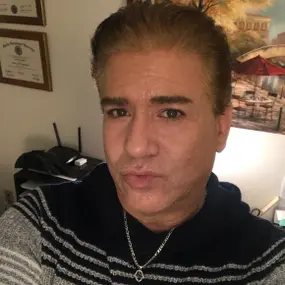
Licensed Psychotherapist
I’ve lived in the DC area since 2015. I’m a transplant from South Florida and have been living here since 2015. I’ve been a psychotherapist in private practice since 2001. I have been researching and legally experimenting with different plant medicines for the past few years and I’m very excited about finding Kratom for many reasons- not just for myself, but to share the information with others. I will soon be starting my own podcast on how to incorporate plant medicines in the mental health space. This includes psychedelics as well (ketamine, psilocybin, etc).


